%2Ffit-in%2F250x250%2Fguide_websites%2F15054%2Fimages%2F1746634279272jason.png&w=1920&q=100)
/users/e7028ca1-a5f2-4ecd-8ccd-1c19b000520d/ratecard/471870685_122144267402349350_3986315944811509465_n.jpg)
%2F300x300%2Fusers%2Fe7028ca1-a5f2-4ecd-8ccd-1c19b000520d%2Fratecard%2F471870685_122144267402349350_3986315944811509465_n.jpg&w=256&q=75)
%2F300x300%2Fusers%2Fe7028ca1-a5f2-4ecd-8ccd-1c19b000520d%2Fimages%2Ffishing-trip-la-2361.jpg&w=256&q=75)
%2F300x300%2Fusers%2Fe7028ca1-a5f2-4ecd-8ccd-1c19b000520d%2Fimages%2Ftrio-spotted-weakfish-la-2493.jpg&w=256&q=75)
%2F300x300%2Fusers%2Fe7028ca1-a5f2-4ecd-8ccd-1c19b000520d%2Fimages%2Fredfish-bonanza-la-2578.jpg&w=256&q=75)
%2F300x300%2Fusers%2Fe7028ca1-a5f2-4ecd-8ccd-1c19b000520d%2Fimages%2Fthree-black-drum-hopedale-2562.jpg&w=256&q=75)
%2F300x300%2Fusers%2Fe7028ca1-a5f2-4ecd-8ccd-1c19b000520d%2Fimages%2Fspotted-weakfish-la-2523.jpg&w=256&q=75)
%2F300x300%2Fusers%2Fe7028ca1-a5f2-4ecd-8ccd-1c19b000520d%2Fimages%2Fpeaceful-la-fishing-excursion-2427.jpg&w=256&q=75)
%2F300x300%2Fusers%2Fe7028ca1-a5f2-4ecd-8ccd-1c19b000520d%2Fimages%2Fangler-with-big-fish-hopedale-2464.jpg&w=256&q=75)
%2F300x300%2Fusers%2Fe7028ca1-a5f2-4ecd-8ccd-1c19b000520d%2Fimages%2Fscenic-los-angeles-fishing-2530.jpg&w=256&q=75)
Top-Rated Hopedale Redfish Charter for Two
 Hopedale, LA
What you will be catching:
 Black Drum
 Redfish
 Sea Trout
 Sheepshead
 Southern Flounder
- 6-hour private saltwater fishing trip departing 5:30 AM from Hopedale
- Target redfish and trout using live shrimp across diverse fishing grounds
- Equipment and expert guidance provided; Louisiana fishing license required
Trip Pricing and Availabilities:
Redfish Bonanza: Half-Day St. Bernard Inshore Trip
Ready to tangle with some of Louisiana's hardest-fighting fish? Hop aboard for a 6-hour inshore adventure in the rich waters of Hopedale. We'll be chasing redfish, speckled trout, and whatever else is biting in the maze-like marshes of St. Bernard Parish. This private trip kicks off at the crack of dawn, giving you prime time on the water when the fish are most active. Whether you're a seasoned angler or new to saltwater fishing, you're in for a treat in one of the Gulf Coast's top fishing destinations.
What's the Deal?
We'll meet up at 5:30 AM sharp in Hopedale, LA. This early start gives us the jump on other boats and puts us on the water during the morning feed. We'll be fishing inshore, hitting productive reefs and weaving through the backcountry marshes. Our main targets are redfish and speckled trout, but don't be surprised if we hook into some bonus species like black drum or sheepshead. The trip is set up for two anglers, so you'll get plenty of one-on-one time with your guide. Just remember to grab your Louisiana fishing license before you show up – it's required and we can't hit the water without it.
Rods, Reels, and Marshy Feels
We'll be using light to medium tackle, perfect for the inshore species we're after. Our go-to technique is live shrimp under a popping cork – it's like ringing the dinner bell for redfish and trout. We might switch it up with some dead shrimp on the bottom if that's what the fish are craving. Expect to do a mix of casting and drifting as we work the edges of oyster reefs, grass flats, and marsh drains. The beauty of Hopedale fishing is the variety – one minute you're sight-casting to tailing reds in skinny water, the next you're working a deep bend for schooling trout. It's all about reading the water and adjusting on the fly.
Fish Tales from the Marsh
No customer reviews have been provided for this trip yet.
The Big Three: Redfish, Trout, and More
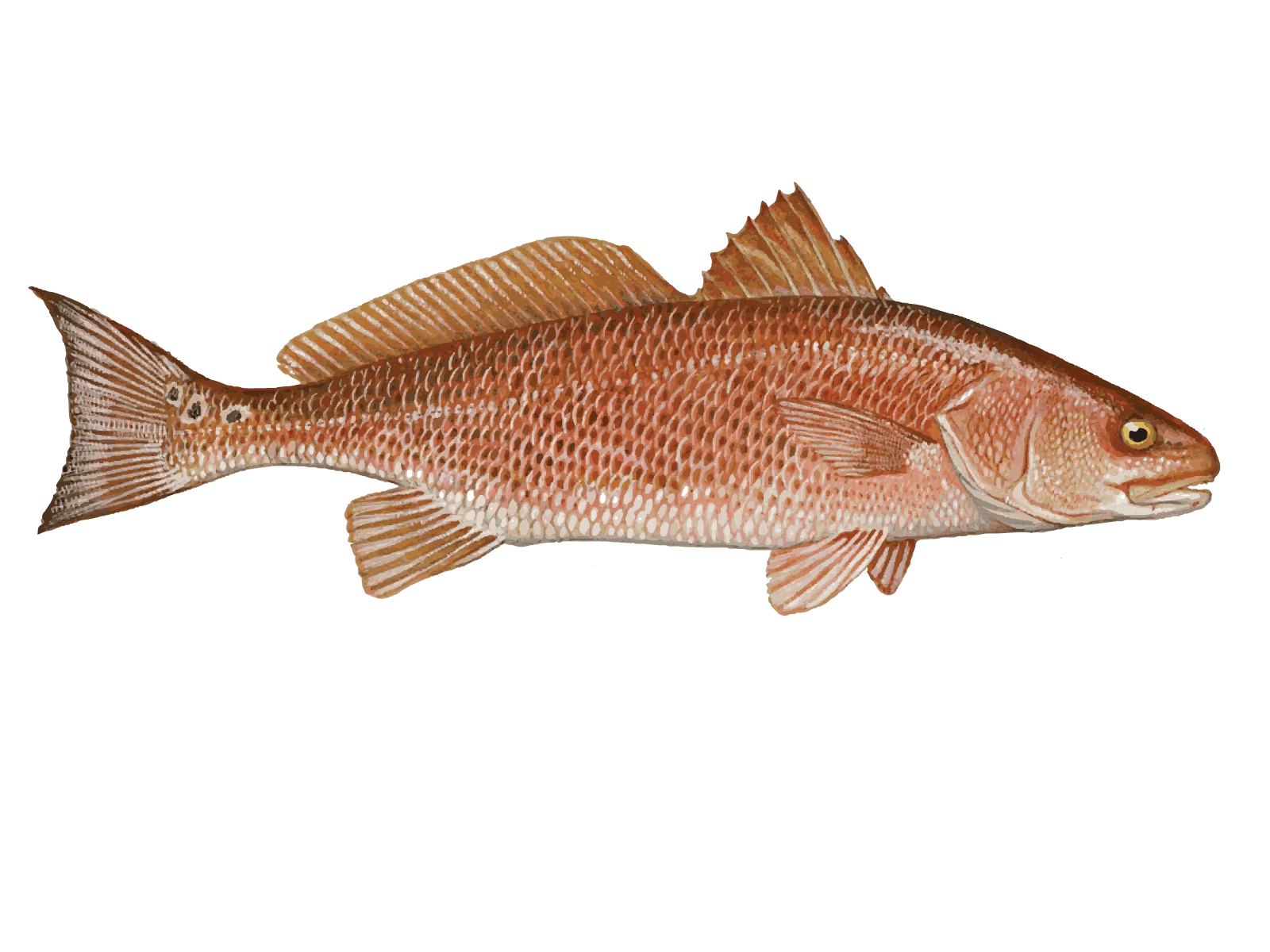
Redfish (Red Drum): These copper-colored bruisers are the stars of the show in Hopedale. They range from scrappy 2-pounders to bull reds pushing 40 inches. Redfish love to cruise the shallow flats and marsh edges, often giving themselves away with their signature tail-out feeding behavior. The thrill of seeing a big red ghosting through clear water never gets old. They fight hard, pulling drag and making blistering runs. Fall and winter are prime time for big schools, but you can catch them year-round.
Speckled Trout (Spotted Seatrout): If redfish are the brawlers, specks are the finesse fighters. These silver-spotted beauties are known for their soft mouths and acrobatic jumps. We typically find them around oyster reefs, drop-offs, and marsh points. A good-sized speck is 2-3 pounds, but gator trout pushing 5+ pounds aren't unheard of. They're most active in the cooler months, from fall through spring. There's nothing quite like a topwater trout bite at first light – it's addictive stuff.
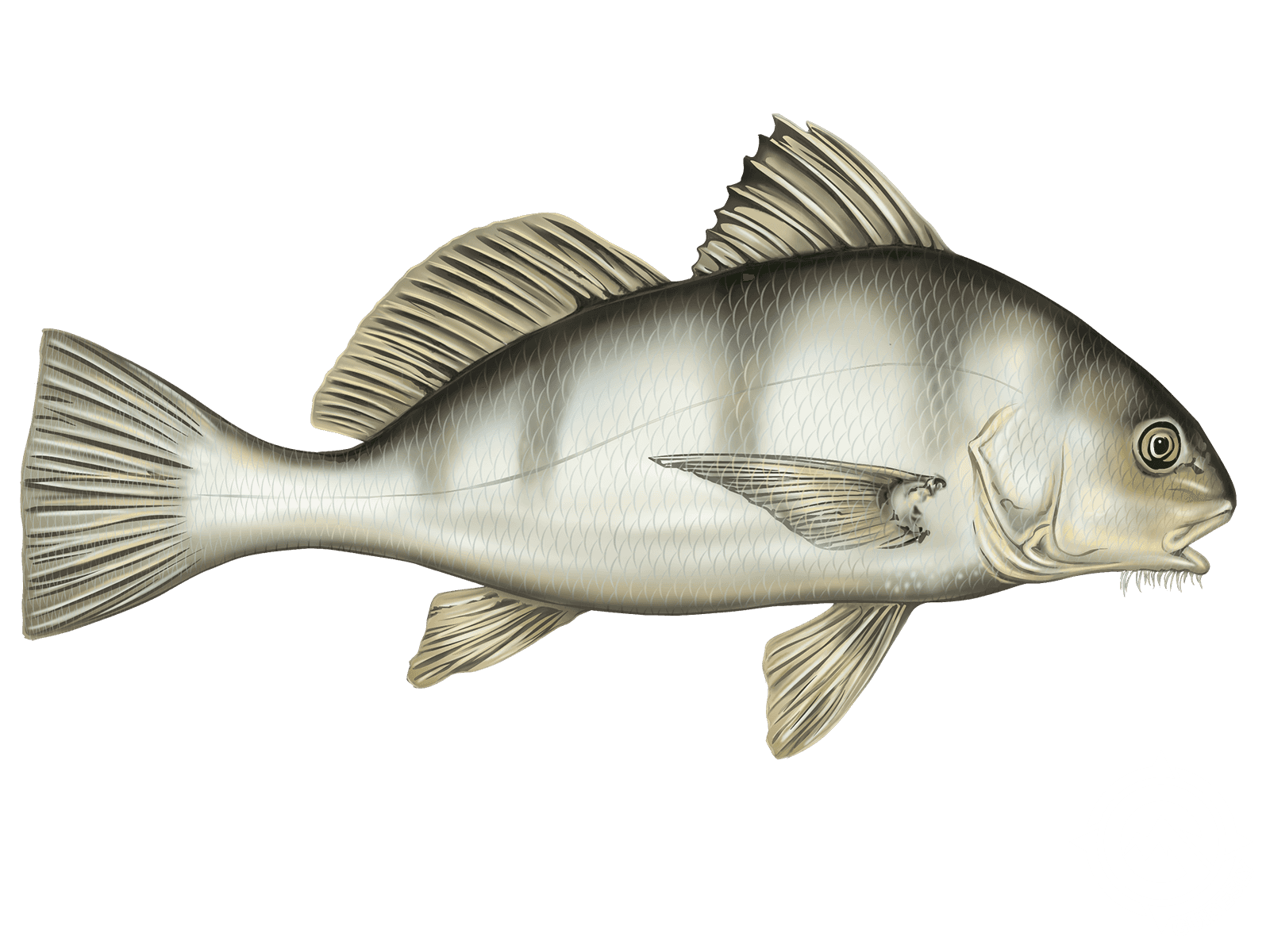
Black Drum: Often overlooked but always fun to catch, black drum are the redfish's cousins. They can range from puppy drum of a few pounds to big uglies over 30 pounds. These bottom-feeders love crustaceans and put up a stubborn, dogged fight. You'll find them hanging around the same areas as reds, often mixed in with schools. The bigger ones can be a real challenge on light tackle.
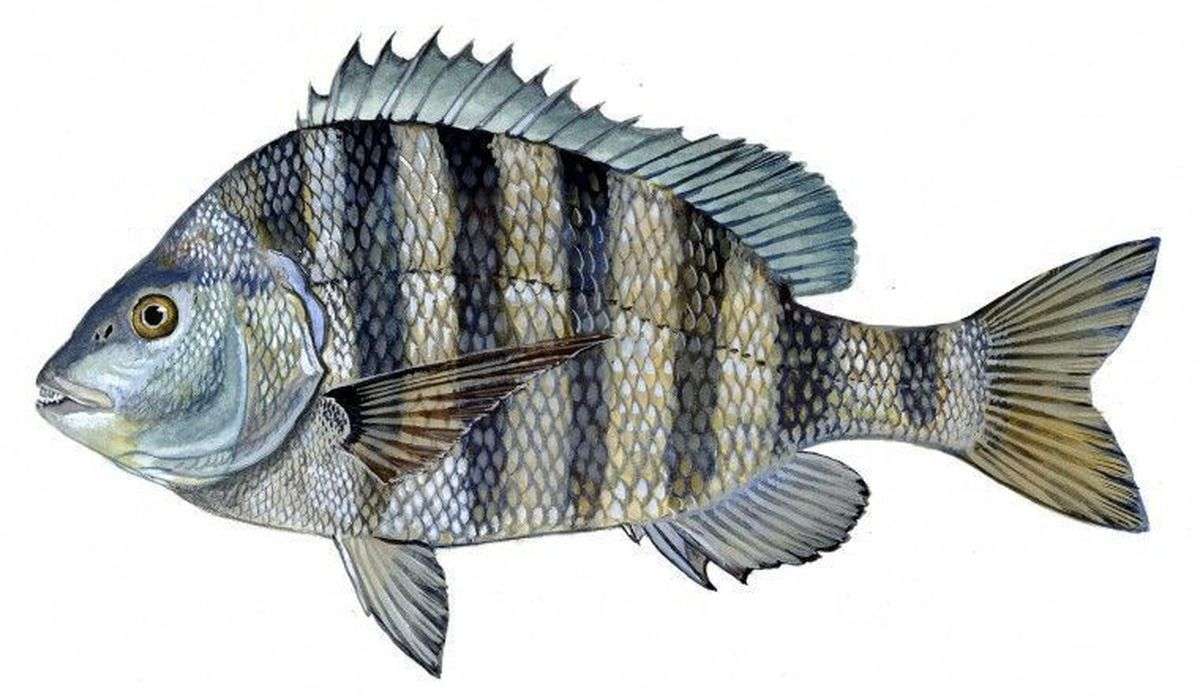
Sheepshead: With their distinctive black and white stripes, sheepshead are unmistakable. They're known as the "convict fish" for good reason – they're expert bait stealers! Sheepshead love structure, so we often find them around pilings, rocks, and reefs. They have powerful jaws lined with human-like teeth, perfect for crushing crabs and barnacles. While they're not the fastest runners, their sideways fights can be surprisingly tough. Winter and early spring are peak seasons for big sheepshead.
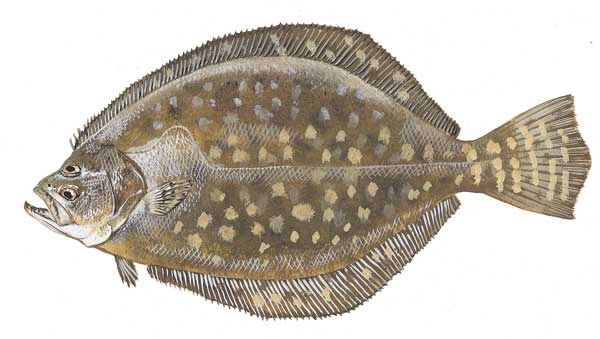
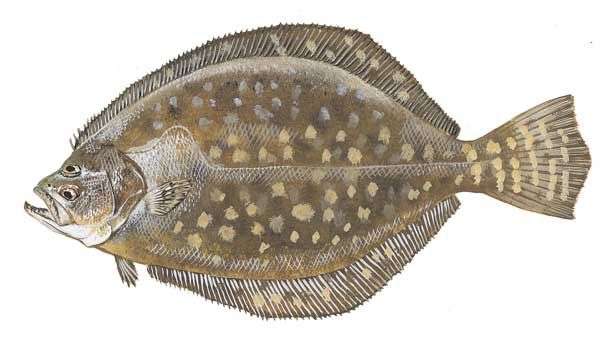
Southern Flounder: These flatfish are masters of camouflage, blending perfectly with sandy or muddy bottoms. We catch them year-round, but the fall run is when the big ones show up. Flounder like to ambush their prey, so we often find them around drop-offs, points, and marsh drains. They're not known for long runs, but they put up a spirited fight on light tackle. And of course, they're some of the best eating fish in the marsh.
Lock in Your Spot
Look, the fishing in Hopedale is world-class, plain and simple. Whether you're after your first bull red or you're looking to fill the cooler with tasty specks, this trip delivers. We've got the local knowledge, the right gear, and the passion to put you on fish. Remember, it's a private trip for two, so bring your fishing buddy and get ready for some serious action. Don't forget that Louisiana fishing license, and make sure to put down that deposit to lock in your date. The fish are biting – are you ready to join them?
Learn more about the species
Black Drum
Black Drum are the heavyweights of the drum family, typically ranging from 5 to 30 pounds but can hit a whopping 90 pounds. You'll find these bruisers in brackish waters and estuaries, often around oyster beds and muddy flats. They love structure, so look for them near pier pilings and inlets. Spring's the hot season when they school up for spawning, making them easier to target. Anglers get a kick out of their powerful fights and the drumming sounds they make. For bait, nothing beats fresh crab or clams – these guys have strong jaws built for crushing shellfish. Here's a local tip: when you're rigging up, use a sturdy leader and make sure your bait's on the bottom. Black Drum are notorious bait stealers, so be patient and wait for that solid tug before setting the hook. They're not just fun to catch; smaller ones make for great eating too.
Redfish
Redfish, or Red Drum, are the rockstars of inshore fishing. These copper-colored beauties, with their distinctive tail spot, usually run 28-33 inches but can grow much bigger. You'll find them in shallow waters, often tailing in just 1-4 feet of water around oyster reefs and grassy flats. They're year-round targets, but fall is prime time when they school up. Anglers love 'em for their powerful runs and their ability to strip line off a reel. For bait, live shrimp under a popping cork is hard to beat, but they'll hit a variety of artificial lures too. Here's a local tip: on calm days, cruise the flats and look for their tails breaking the surface as they root for crabs. When you spot one, make a quiet approach and cast well ahead of the fish. Let your bait or lure sit still until the red gets close, then give it a twitch. When that big red hits, hold on tight – you're in for a fight!
Sea Trout
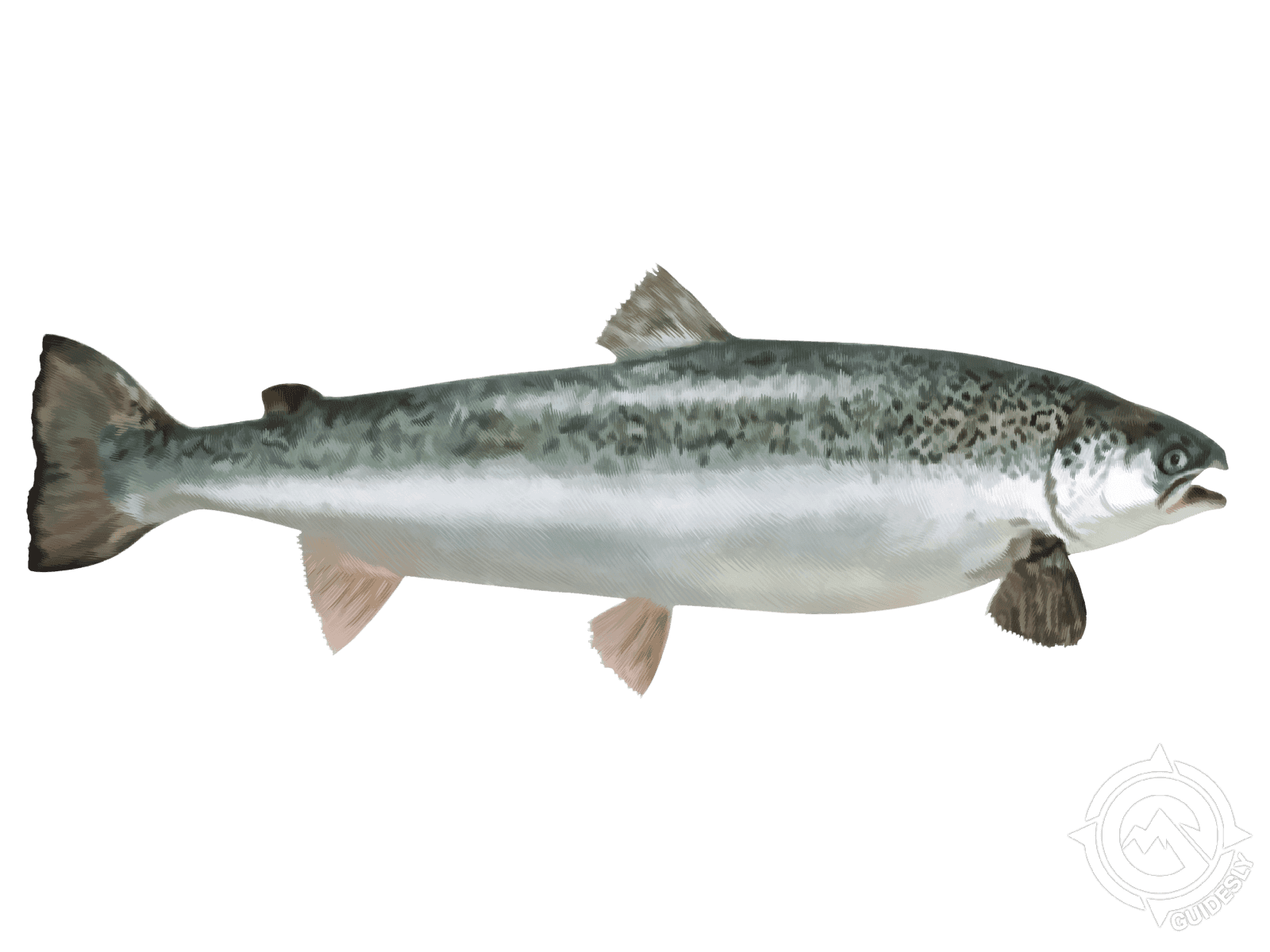
Sea Trout, also called Speckled Trout, are a favorite among inshore anglers. These silvery, spotted fish typically run 14-24 inches and weigh 1-5 pounds. You'll find them in grass flats and shallow waters, especially at night. They're most active in cooler months when they school up in deeper channels. Anglers love 'em for their aggressive strikes and tasty, mild-flavored meat. To catch Sea Trout, try using live shrimp under a popping cork or artificial lures like jerk baits and topwater plugs. They're suckers for movement, so a twitchy retrieve often triggers strikes. Here's a local secret: on calm mornings, look for "slicks" on the water surface – these oily spots are often signs of feeding trout. When you find one, cast nearby and hold on tight. Sea Trout hit hard and put up a good fight, making them a blast to catch for anglers of all skill levels.
Sheepshead
Sheepshead, or convict fish, are the oddball of inshore fishing. These striped fighters usually run 1-8 pounds and love hanging around structures like docks, bridges, and oyster reefs. They're known for their human-like teeth, which they use to crush barnacles and crabs – their favorite snacks. Spring's the prime time to catch them when they school up to spawn. Anglers dig 'em for their tricky bites and the challenge of getting them away from structure. Plus, they're delicious table fare. Here's a pro tip: use a small, strong hook with fresh fiddler crab or oyster as bait. Get as close to the structure as you can without spooking them. When you feel that nibble, give it a second before setting the hook hard. Sheepshead are notorious bait stealers, so you've got to be quick. It's a game of patience and timing, but landing one of these striped tricksters is always a blast.
Southern Flounder
Southern Flounder are a unique flatfish, typically 15-18 inches long and weighing around 5 pounds. You'll find them in shallow coastal waters, bays, and estuaries, often camouflaged on sandy or muddy bottoms. These ambush predators are masters of disguise, changing color to match their surroundings. Fall is prime time for catching flounder as they move to deeper waters. Anglers love targeting them for their tasty, white meat and the challenge of hooking these sneaky fish. To land one, try still fishing or drift fishing with live bait like bull minnows or mullet. Use a single-hook rig with a slip lead, and be ready for a subtle bite. When you feel that telltale weight, set the hook fast – flounder are known for their light nibbles and quick escapes. Remember, patience is key when fishing for these bottom-dwellers.
About the Jason's Saltwater Guide
%2F%2Fusers%2Fe7028ca1-a5f2-4ecd-8ccd-1c19b000520d%2Fvehicle_picture%2F20240508_143646.jpeg&w=1920&q=75)
Vehicle Guest Capacity: 4
Manufacturer Name: Yamaha
Maximum Cruising Speed: 50
Number of Engines: 1
Horsepower per Engine: 250
Ready for some epic fishing action in Hopedale, LA? Hop aboard our trusty skiff for a 6-hour private adventure in the saltwater marshes. We'll be chasing after prized redfish using live shrimp under popping corks, and maybe even trying our luck with some dead bait. The trip kicks off bright and early at 5:30 AM, giving us prime time on the water. We'll explore inshore spots, reefs, and hidden backcountry honey holes to find where the fish are biting. This intimate trip is perfect for two anglers looking for a personalized experience. Don't forget to grab your Louisiana fishing license before we set out! A small deposit locks in your spot on this awesome day of fishing. Get ready to reel in some memories in the beautiful waters of St. Bernard Parish!